Hosted by Charles Sturt University and expertly moderated by Barrie Cassidy, the event brings together voices from across the political spectrum to discuss the issues that matter most to the Farrer electorate. Hear directly from each candidate, compare their priorities and policies, and gain the clarity you need to feel informed and confident when it’s time to cast your vote.
Missed the livestream? Watch the recording below
Meet the candidates and discover their key priorities and what motivates them to serve their community

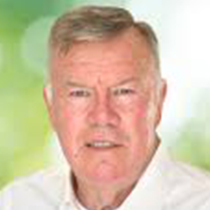
Jamie Bonnefin, Gerard Rennick People First
My name is Jamie Bonnefin, and I am standing for the People First Party because I believe regional Australians deserve leadership that puts people before politics and delivers real, practical solutions to the challenges we face.
Like many Australians, I am concerned about the rising cost of living, excessive taxation, and government policies that favour bureaucracies and vested interests over families, farmers and small businesses. That’s why one of my highest priorities is lowering income tax by raising the tax‑free threshold from $18,200 to $45,000, funded by slashing government waste and unnecessary subsidies. I also support allowing families to income‑split, giving households greater flexibility and fairness.
I believe superannuation should be voluntary, so Australians can save for a home sooner and give their children the security that comes with home ownership. I strongly support flexible childcare and aged care, with subsidies paid directly to parents, ensuring shift workers, FIFO families and part‑time workers are not punished by rigid systems that don’t fit real life.
Regional infrastructure matters. I support the establishment of a government‑owned Infrastructure Bank, so Australians fund, build and own our own infrastructure, and I strongly back the construction of a new hospital to meet growing healthcare needs. I also support bringing back the military apprenticeship scheme, giving young Australians real skills, jobs and national purpose.
On the Murray–Darling Basin, I will stop water buy‑backs, end foreign ownership of water, remove the barrages, raise dam heights, build more dams, and return irrigation water to farmers, restoring food security and regional prosperity.
I am standing to fight for lower taxes, stronger regions, secure jobs and Australian sovereignty—and to put people first.

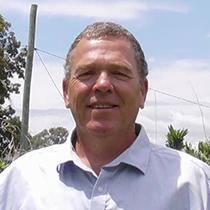
Raissa Butkowski, Liberal Party
Raissa Butkowski is the Liberal candidate for Farrer.
She brings energy, a wide range of experience and a passion for serving the community.
Raissa was born and bred in the Albury region. She comes from a farming family.
As a community lawyer, Raissa has helped fight for families navigating hardship and farmers dealing with uncertainty.
As an Albury City Councillor, Raissa brings experience in making decisions around infrastructure and budgets.
As a Board Member of the Murray Darling Association, Raissa advocates for water security, which is so vital to this region.
Previously, she’s also been a lab technician at a pathology service and a tennis coach.
Raissa has three degrees – in law, biomedical science and nutrition. She is studying for a Master of Business Administration.
She also has a Graduate Certificate in Conflict Management and Resolution.
Raissa will fight for families struggling with the cost of living, small businesses facing rising costs, and farmers facing uncertainty.
She will work to improve local health services and infrastructure.

Lucas Ellis, Affordable Housing Now - Sustainable Australia Party
Lucas James Ellis is the Sustainable Australia Party (SAP) candidate for Farrer, representing a community-focused, evidence-driven alternative to major party politics. A town planner based in Albury, Lucas combines practical experience in regional infrastructure with academic training, holding a Bachelor of Sustainable Communities and undertaking a Master of Urban Planning. His professional background shapes a policy outlook centred on long-term planning, sustainability, and balanced development.
Lucas’ campaign is strongly aligned with SAP’s core philosophy: a “science and evidence-based” approach that rejects traditional left–right political divides and ideologies in favour of practical and sustainable solutions. SAP’s grassroots movement is focused on community needs rather than corporate or union backing, emphasising transparent and independent decision-making.
The central pillar of Lucas’ platform is housing affordability, which he identifies as the most pressing issue in the Farrer electorate. SAP’s policy uniquely addresses all of the required major supply and demand reforms to sustainably fix the crisis. Measures include more social housing, less investor tax breaks, and slower migration to ease pressure on housing and infrastructure. Lucas believes this is not only an economic issue, but also one tied to environmental protection and community fairness.
Beyond housing, Lucas and SAP highlight broader priorities including cost-of-living relief, environmental conservation, and water security—issues particularly relevant to regional communities. He also supports improved healthcare access, better infrastructure planning, and rebuilding economic diversity, including support for domestic manufacturing.
A defining theme of Lucas’ candidacy is sustainable population and development management. He argues that unchecked growth contributes to housing shortages, environmental degradation, and infrastructure strain, and promotes policies aimed at balancing these pressures while maintaining quality of life.
Overall, Lucas presents a policy platform centred on sustainability, affordability, and evidence-based governance, targeting voters concerned with housing, environmental limits, fairness for workers, and long-term economic resilience.
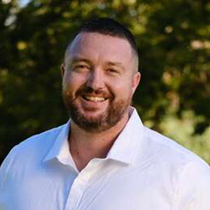
Richard is the Greens candidate for Farrer, bringing a rare combination of academic expertise and lived experience in health advocacy. A graduate in law, arts, forensic psychology, and social work, and currently studying a master’s in health economics, Richard has spent years working alongside individuals, families and communities navigating some of life’s most complex challenges. He is a senior consumer leader in health and suicide prevention, a state mental health champion, and was honoured as Albury Citizen of the Year in 2025 for his contribution to community wellbeing and education.
Richard’s work has focused on bridging the gap between policy and lived experience. As a long-standing advocate, he understands that people in communities like Farrer face structural disadvantage, particularly in access to healthcare, housing, and essential services. His approach is grounded in practical reform, community engagement, and accountability and transparency in decision-making.
His key priorities reflect the issues he hears directly from the community. First, improving access to healthcare, including investment in regional hospitals, mental health services, and workforce retention, alongside better integration between Commonwealth and state systems. Second, tackling the housing crisis by addressing tax settings that favour investors over first home buyers, and expanding public and affordable housing in regional areas. Third, responding to climate change with a focus on regional resilience, supporting farmers and communities while restoring the Murray–Darling Basin through evidence-based water policy, including targeted buybacks and investment in sustainable agriculture.
Richard also advocates for cost-of-living relief tailored to regional realities, recognising the impact of transport, energy, and service access on household budgets. He supports stronger public services, transparent governance, and genuine community consultation, particularly in major health and infrastructure decisions affecting the region.

Michelle Milthorpe is an independent candidate for Farrer, committed to regional equity and genuine representation. Born and raised in Cootamundra and now based in Jindera, she brings over 20 years’ experience as an educator and a decade of high-impact advocacy.
Alongside her daughters, who bravely shared their experiences, Michelle led the Justice Shouldn’t Hurt campaign, helping secure legislative reform and $64.3 million in NSW Government funding. The funding meant the Witness Intermediary program, which is aimed at better supporting survivors of child sexual assault through the legal process, was expanded so that it was available for children in regional areas as well.
Michelle’s approach is straight-forward and solutions-focused, grounded in listening to communities and delivering practical outcomes.
She is running as an independent to ensure local voices are heard in Canberra, free from party politics and vested interests. Her priorities include better healthcare access for regional and rural communities, fair water management including ending water buybacks, improving telecommunications, and easing cost of living pressures.
Her campaign is focused on restoring trust, accountability, and strong local representation for Farrer.
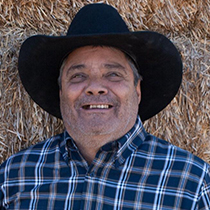
Gary Pappin, Independent
My name is Gary Pappin. I am an independent Independent campaigning without major donations from any one.
I am a farmer based north of Swan Hill in the western Riverina. A retired public servant with experience in rangelands management, national parks, transport and water infrastructure. I have spent many hours in Parliament House working closely with Ministers whilst advocating for Australia at the United Nations (UNESCO). I have previously held board positions with the Murray Darling Basin Commission, MLDRIN, Aboriginal Tourism Australia, and a variety of university research panels. I currently sit on the Human Ethics Committee at Charles Sturt University. I am married with six children.
In the last few weeks I have travelled extensively around Farrer. The key issues that have been raised by voters that need to be addressed are:
I believe there is a lack of representation and presence for country folk in Federal parliament. Members of Parliament are conduits for society and there needs to be stronger representation for country issues because it is the country that feeds Australia and enables it to grow. The people in Farrer have been forgotten and I intend to give a fair go for everyone.
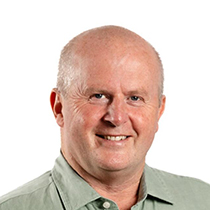
Naturally, the many communities across Farrer have different local issues of importance.
Broadly speaking I will fight for better health, hospital and aged care services across the region, I’ll back in our farmers by stopping harmful water buybacks and work as part of the Nationals team to get cost of living back under control.
As a direct result of my advocacy, a Coalition Government will invest $200 million in improving health services in the Albury region, including $185 million to kickstart work on a future hospital for the region and a further $15 million to expand mental health care. Our pledge means that if successful at the 2028 federal election, we would have a pathway to a greenfield development, while completing the current upgrade.
The Nationals understand that decisions that reduce productive water don’t just affect farmers — they impact jobs, businesses, supply chains, and the cost of food for every Australian. That’s why I’m 100% against any further water buybacks, support reinstating the 1500 gigalitres cap on buybacks and backing in the Coalition’s demand for a Commission of Inquiry into the Commonwealth Environmental Water Holder, which is vital to restoring trust in water management across the Murray–Darling Basin.
I am also determined to tackle the host of other important issues such as roads and infrastructure, cheaper and more reliable energy, and getting better telecommunications for the region. Just as importantly, I also see a need for greater community and social support infrastructure in our towns.
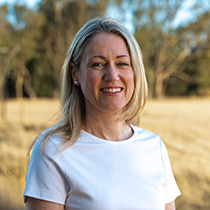
Rebecca is a married mother of four, and lives in a small rural town north of Albury. Originally from South Australia, she has significant governmental experience, having worked in two state Ministerial Offices, and the South Australian Legislative Council. She currently works at an independent Christian school.
Family First aims to take the pressure off families by cutting the cost of living through dropping Net Zero targets and working towards a sustainable, reliable energy plan to reduce the cost of electricity. To address the housing affordability crisis, the party will advocate to reduce immigration to manageable levels, release more land for housing as well as reduce excessive red and green tape on new builds.
Family First recognises that access to childcare is a significant issue, our approach is to reduce the bias toward large, industrialised providers and instead empower families with flexible funding they can use for a range of care options, including family day care, in-home care, or support for a parent to remain at home. The party is also in favour of introducing income splitting for families to recognise the value of raising children and to reduce the tax burden on single-income households.
Family First will advocate for more investment in local water infrastructure, to end water buybacks and to work towards a fairer plan for the Murray Darling Basin, ensuring its health for future generations. By supporting farmers and their local communities, we will ensure the security of their future and our nation's food supply.
Family First will work to cut unnecessary government spending, leaving more money available for urgent needs such as our regional health services. Rebecca is in favour of a new greenfield hospital in Albury, however she also recognises that it will take years for such a development to be properly planned and built to adequately meet the region's needs for decades to come.
All Farrer candidates were invited to the debate however only those who accepted are listed. View the full list of candidates.
As a regional university deeply connected to the communities we serve, Charles Sturt provides a balanced and accessible platform to help citizens better understand the candidates and issues shaping Farrer’s future. This content is presented for information only and does not imply endorsement of any candidate or political party.