

Annual HG Brennan lecture and workshop
12 Feb 2026 Jonathan Cole
Dialogue between economists and theologians, even Christian economists and theologians, is notoriously difficult. While there is plenty of common ground between the two groups—both have much to say about poverty, for example—their different methodologies make dialogue challenging.
Fostering a fruitful dialogue between Christian economists and theologians under the Yindyamarra ethos of conversation that engages critically with different ideas in a spirit of respect and a willingness to listen is precisely what the Australian Centre for Christianity and Culture seeks to do with its annual HG Brennan lecture and workshop in economics and theology.
The lecture and workshop are named after the renowned Christian economist and political philosophy Geoffrey Brennan, who was a pioneer and champion of dialogue between economists and theologians in Australia. On 29 January, Brennan's son, Michael Brennan, CEO of the economic policy think tank e61 and a notable economist in his own right, gave the third annual HG Brennan lecture in which he explored some of the ways in which the economist and theologian might be able to apply their distinctive methods and knowledges in a complementary fashion for the common good.
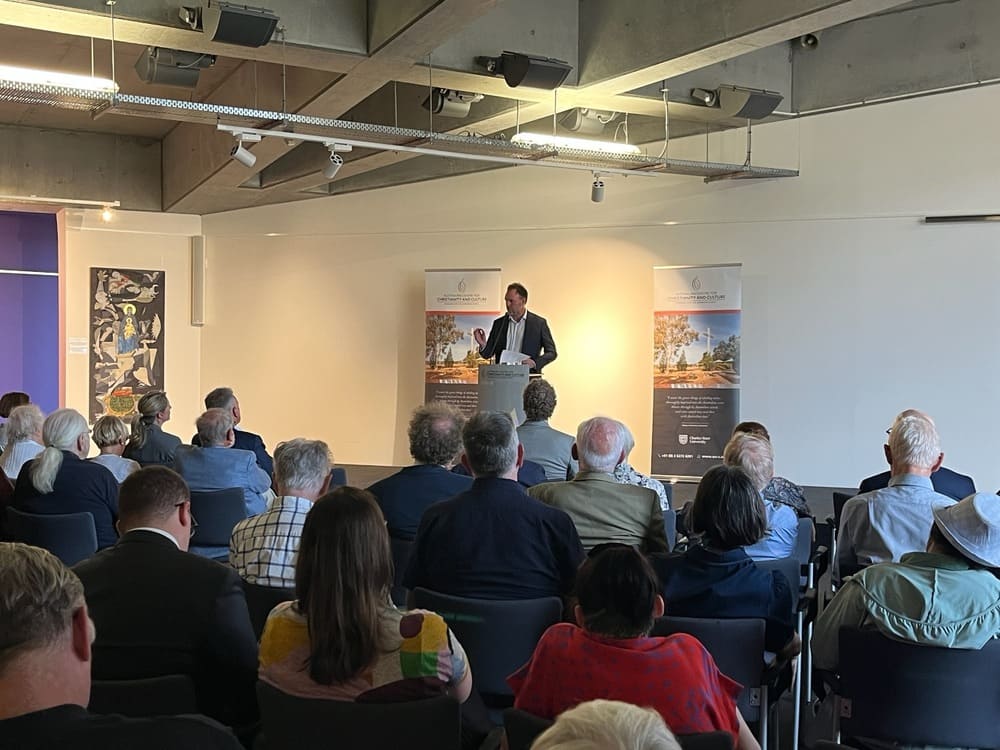
Michael noted that economists generally seek to idenitify, aggregate and maximise desires in large population sets, with their analysis primarily aimed at addressing efficacious means for the realisation of the ends people choose. This is essentially the function of Adam Smith's famous hidden hand. He further observed that this economic method relies on a set of robust and healthy institutions which can serve as economic levers for policy makers.
But what is the economist to do in an age in which this vital institutional order is under intense pressure in a highly polarised and sceptical society, with some risk that it descends into disorder? This, according to Michael, is where theology, and Christianity more broadly, has an important role to play, a role that the economist is neither trained nor equipped to perform: a view of virtue and how to inculcate it in individuals and communities. Michael's key insight is that the methodology of the economist, indead the economist's worldview, is not adept at shaping, nor critiquing, people's desires. It is about efficient means, not ends; this is the way economists are trained to view the world.
Theologians, on the other hand, are preoccupied with ends, especially ultimate ends, including that of the human being and its desires. In a fractious and anxious world under institutional assault, we desperately need institutions like the church and the moral framework of Chrstianity to form virtuous citizens with a strong concpetion of the common good and their duties to it.
The two-day workshop that immediately followed the lecture focused specifically on the question of inequality. The workshop discussed three pre-circulated papers, one surveying the economic and theological literature on the causes of inequality, by Centre Adjunct Research Professor Paul Oslington, another on New Testament views of inequality, by Rev Dr Deborah Storie (Whitley College, University of Divinity), and a final paper on inequality from the perspective of Catholic social teaching by Prof Robert Gascoigne (Australian Catholic University).
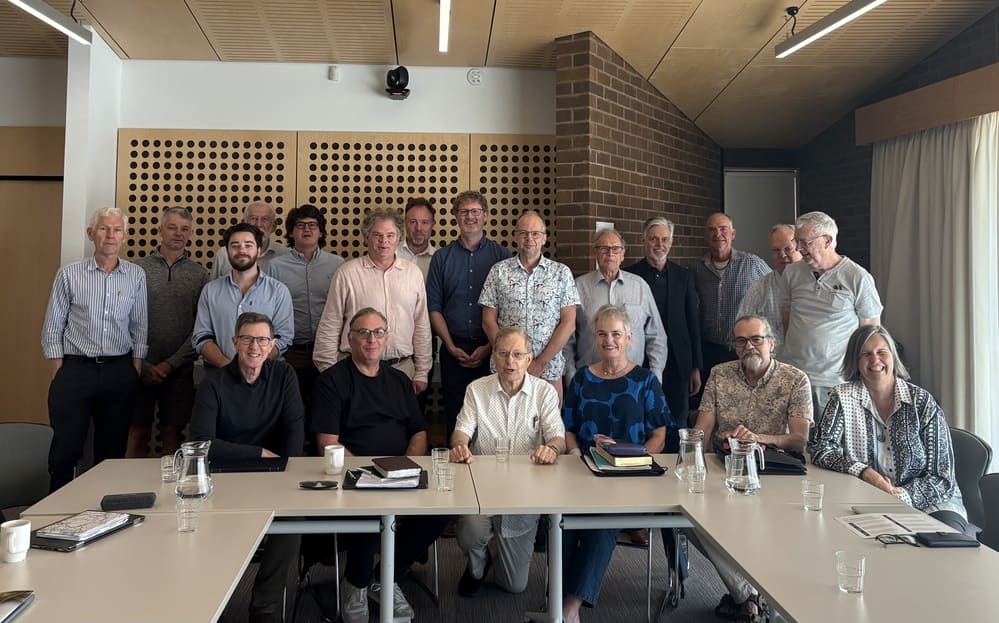
The discussions generated by these excellent papers were wide-ranging, covering everything from contemporary tax policy to the precise meaning of "poor" in New Testament Greek. The workshop did not resolve any of the major questions surrounding contemporary inequality—an impossible task well beyond the scope of the workshop, not to mention beyond the capacities of the entire politcial and economic class in every Western society on Earth. It did, however, showcase the kind of complementarity and integration that Michael Brennan called for in his lecture, as economists and theologians sought to grapple together with the nature and effects of inequality in our society, both bringing their unique methodologies and insights to the table in mutually enriching ways.