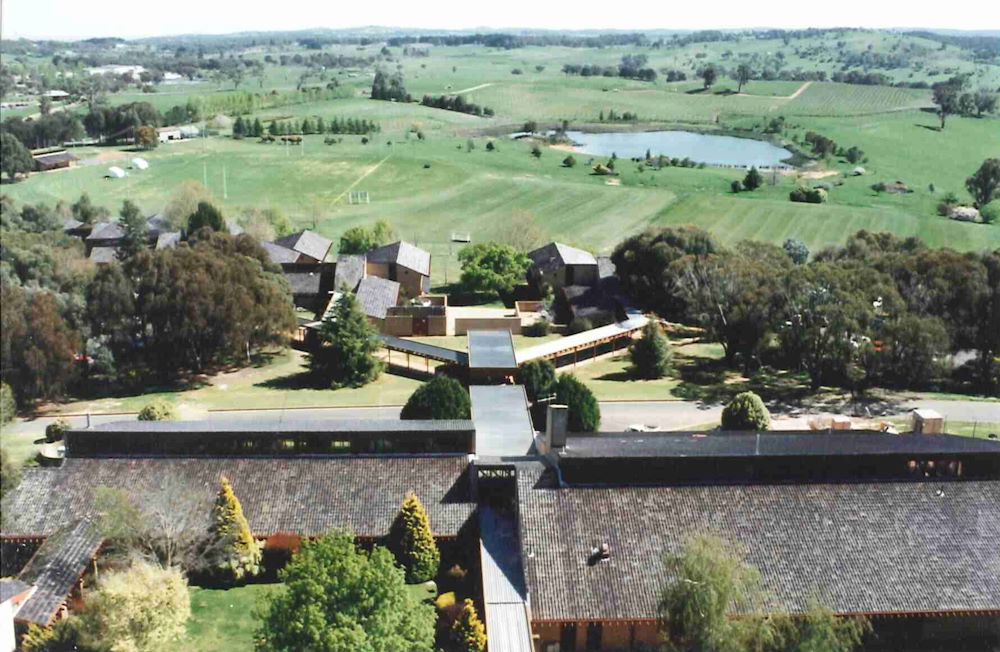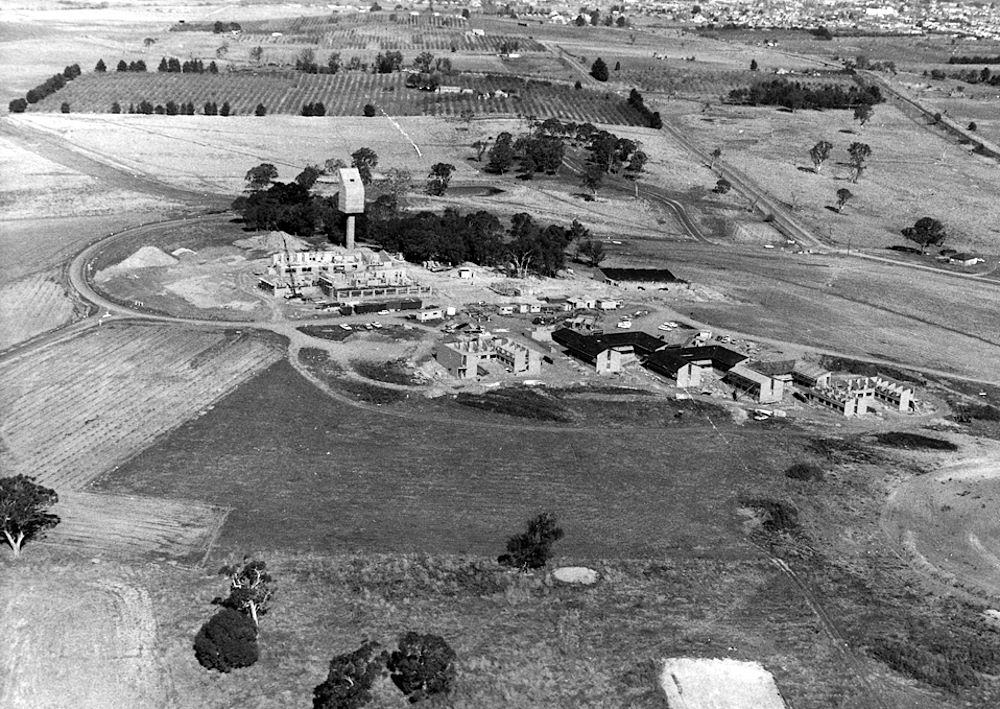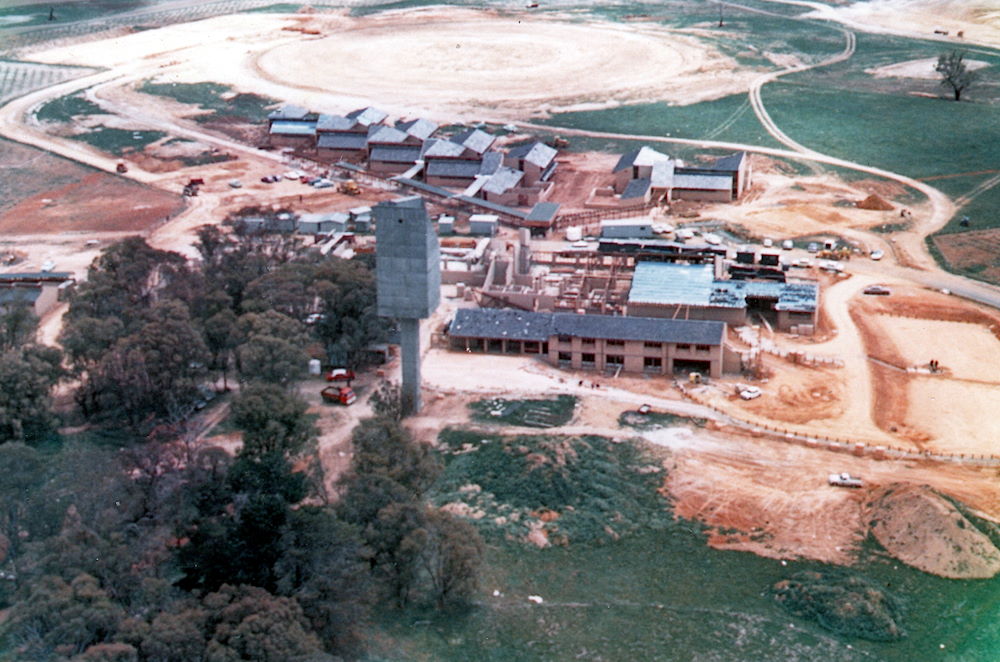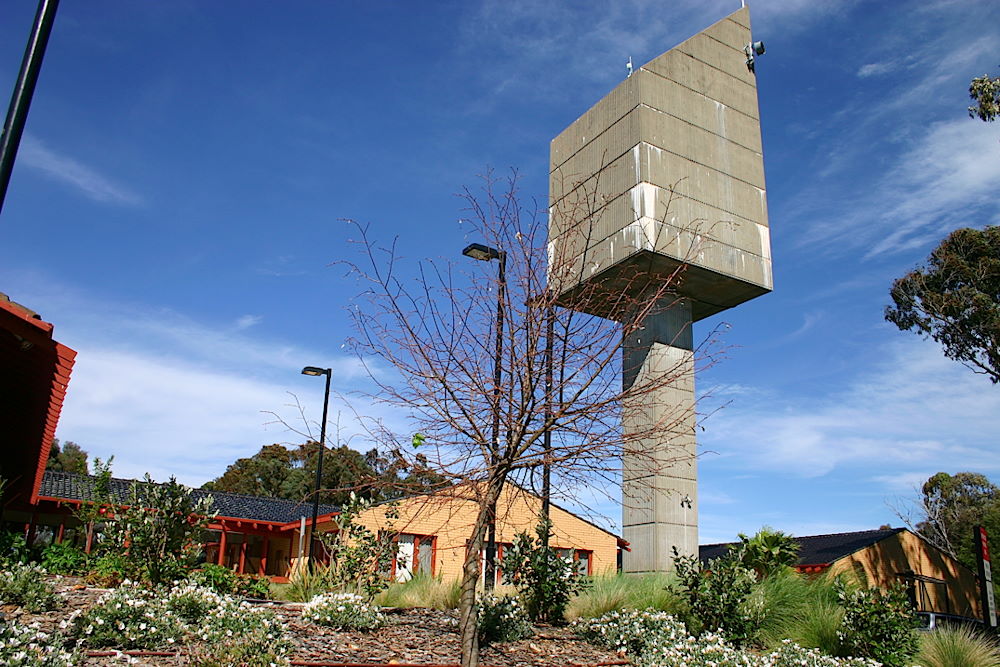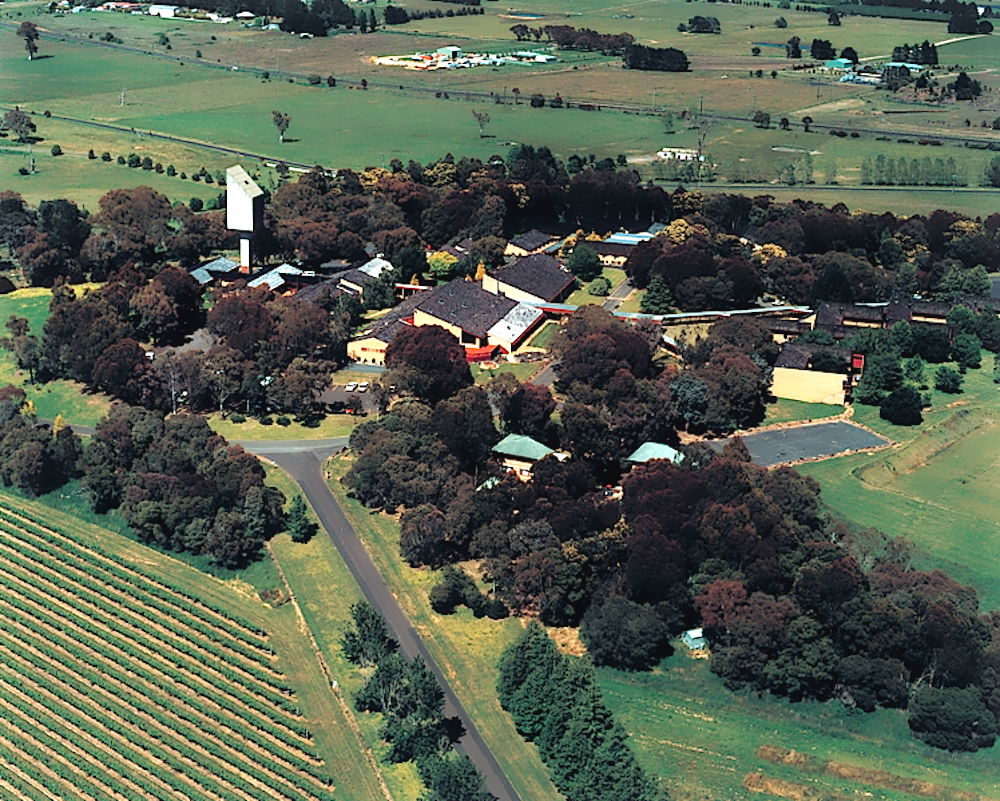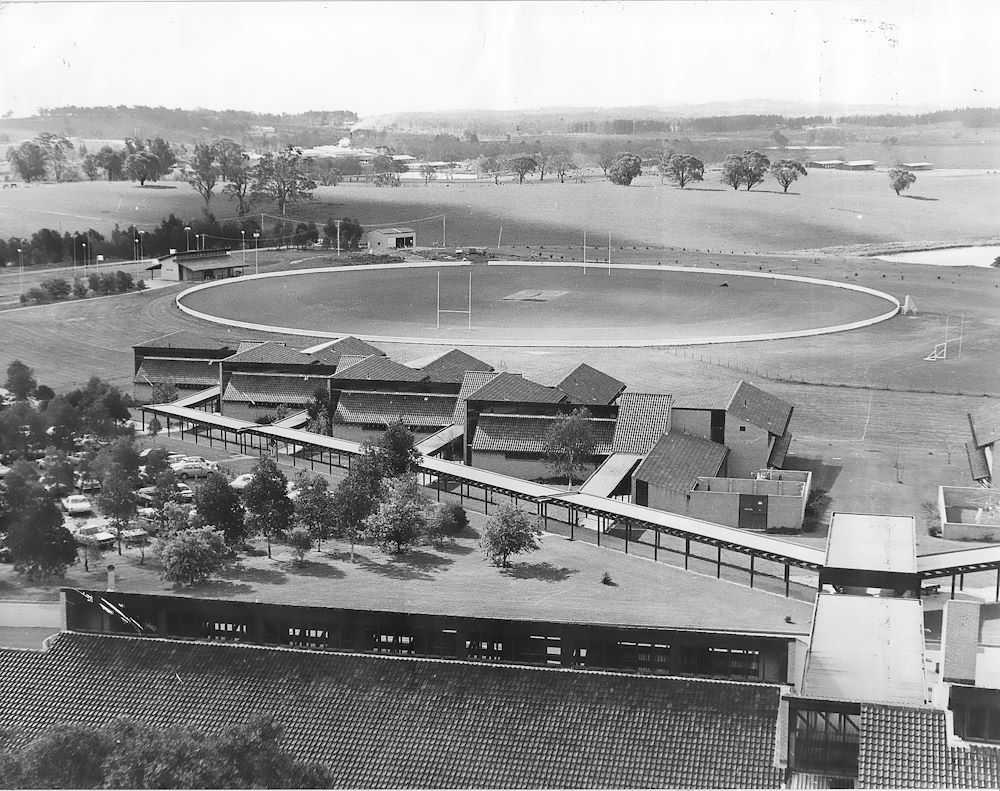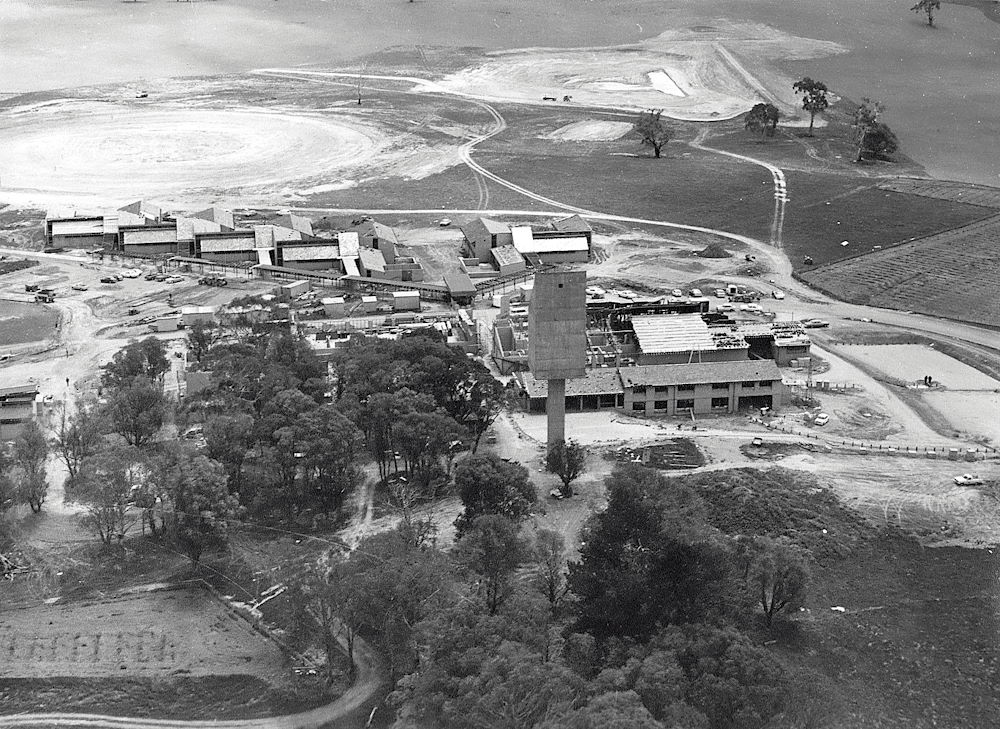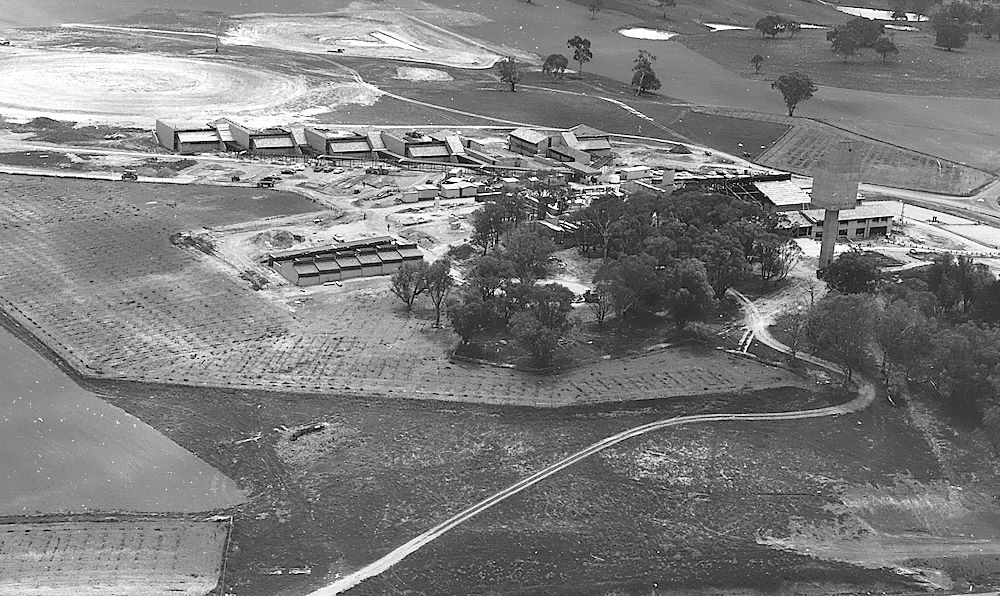
Charles Sturt University’s Orange campus began as the Orange Agricultural College, established by the New South Wales Government in 1973. It provided education focused on agricultural business management.
The campus officially became part of Charles Sturt University on 1 January 2005.
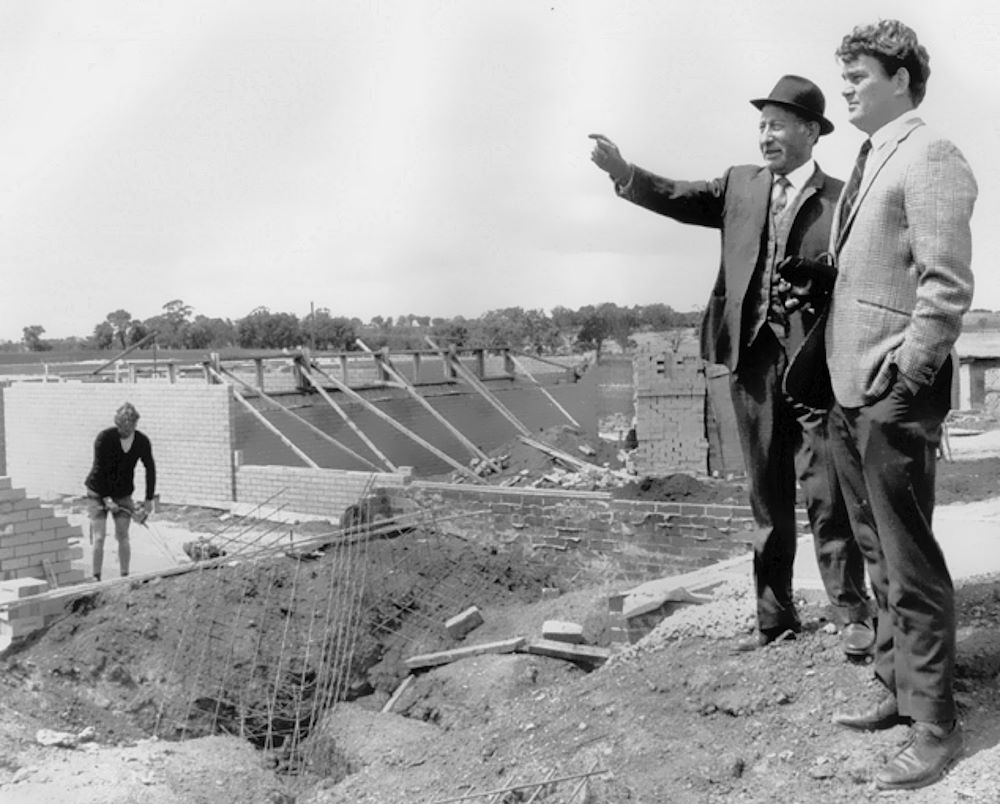
 Len Pockley, a progressive farmer from Goulburn, was aware of the knowledge/skills needs of modern agriculture and was instrumental in gaining government recognition of the need for training in agricultural business management. An effective government and industry advisory committee was established to create a new agricultural college to service this need.
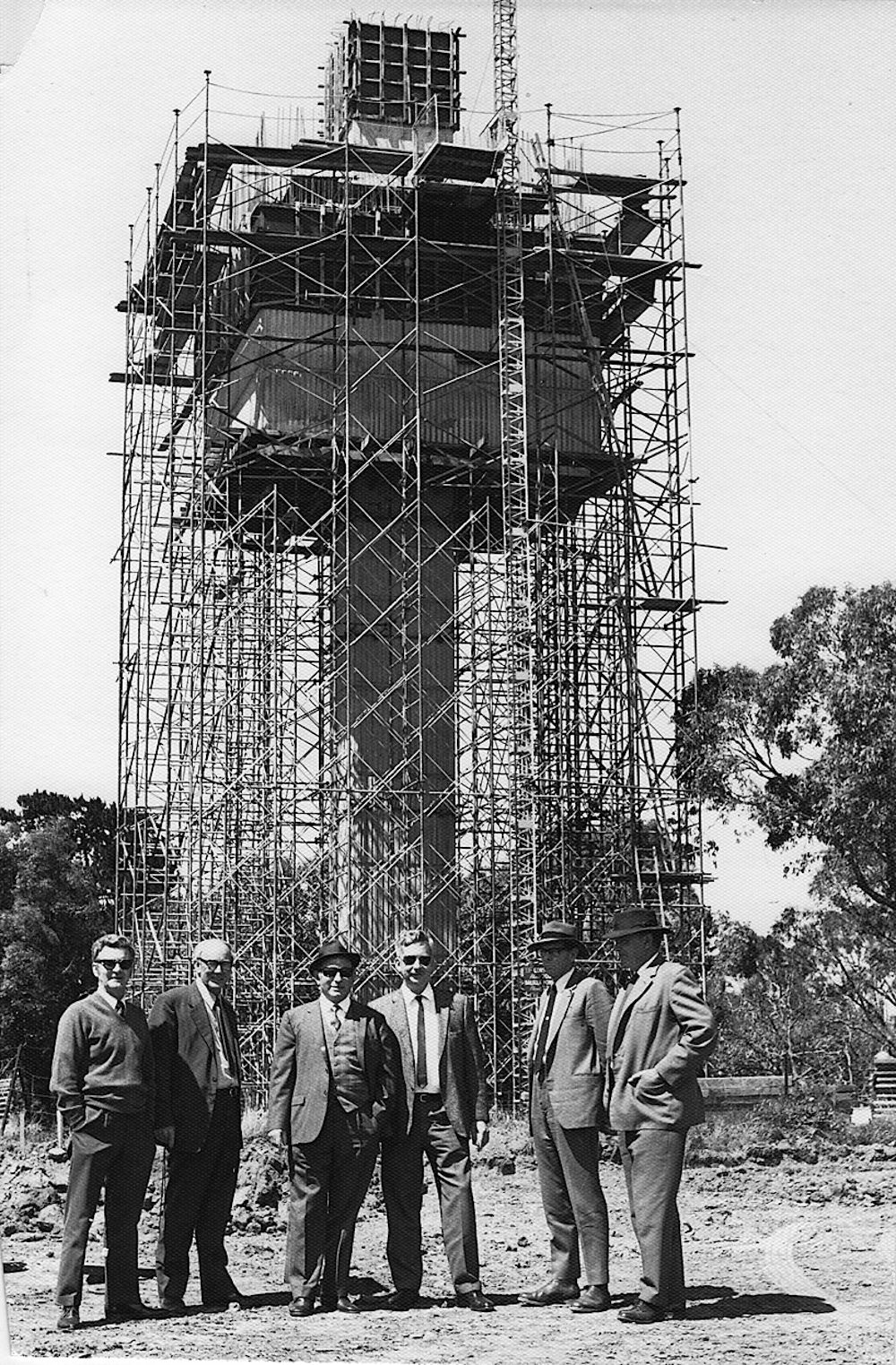
Rosedale Park at Orange was acquired in 1968 and Orange Agricultural College (OAC) commenced operation in 1973 under the auspices of NSW Department of Agriculture.
An holistic management model was the foundation of OAC’s education philosophy. The knowledge base needed to operate successful farm businesses together with the science and technology of agriculture and business skills were integrated into the learning approach. A focus on enhanced applied decision making and holistic management embraced human resource management and environmental sustainability to produce graduates capable of running commercial farm businesses or service industries supporting the needs of modern agriculture.
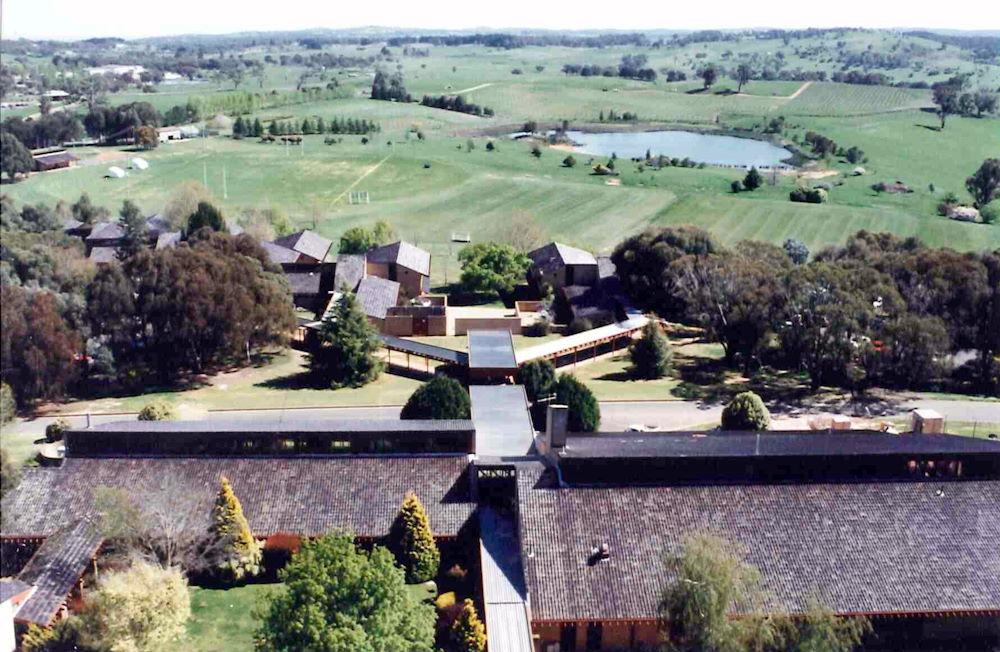 Details of the creation of Orange Agricultural College and the development of the six course streams starting with the Associate Diploma of Farm Management are explained in Philip Gissing’s book, A History of Orange Agricultural College, 2009.
OAC became an autonomous College of Advanced Education (CAE) in 1983 but in 1989, as part of the Dawkins plan to amalgamate CAEs into the University sector, OAC joined the University of New England (UNE). In 1994 the Orange Campus became the Faculty of Rural Management of the University of Sydney and finally part of Charles Sturt University (CSU) in 2005.
Academic leadership of the four principals/deans was instrumental in the campus being a prime seat of agricultural learning in Australia.
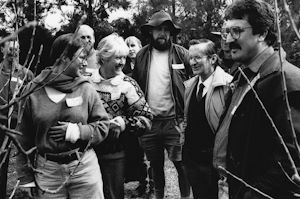
The cultural values and close industry links were established under Sandy’s leadership. He introduced an enrolment pathway that required a minimum of 12 months workplace experience in farm businesses prior to enrolment.
Farm secretarial studies and horticultural management courses and distance education were initiated under Rob’s stewardship.
Transition of the diploma courses to three-year degrees occurred during the 1990 -1992 period.
Kevin Parton was appointed Campus Director and Dean of the Faculty of Rural Management, University of Sydney in 2001. He consolidated the Faculty’s research activities as a key academic component of Orange Campus.
Orange Campus courses listed below were transferred to CSU Wagga in 2008. Some of these courses were amalgamated into existing CSU degrees.
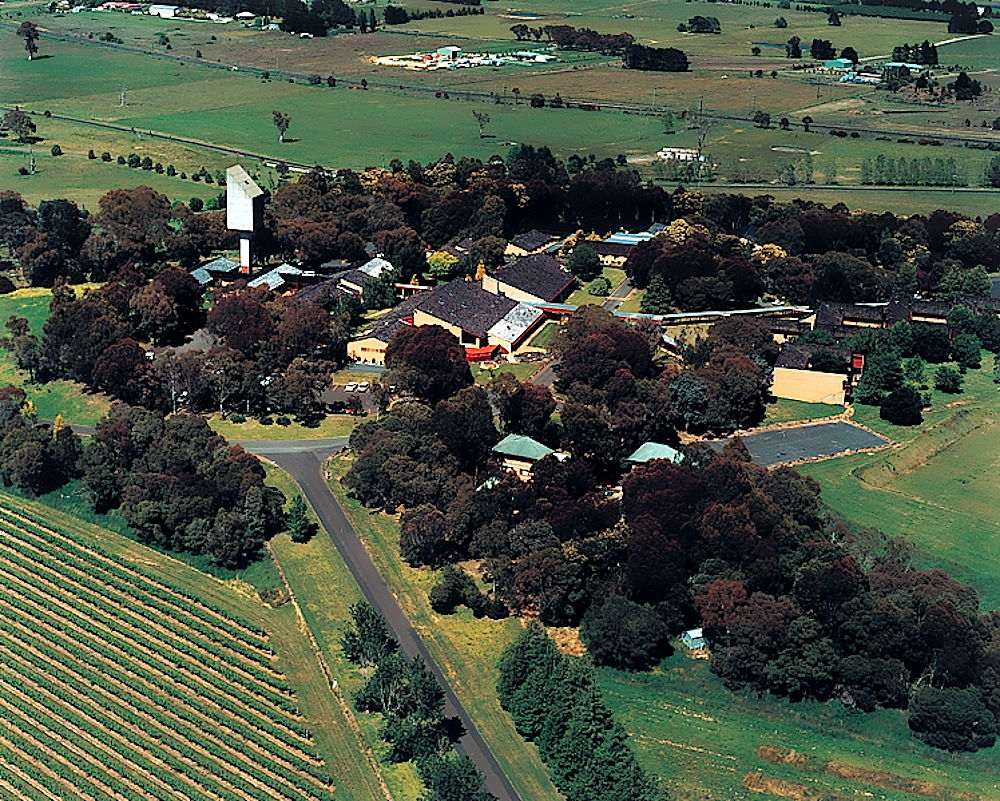
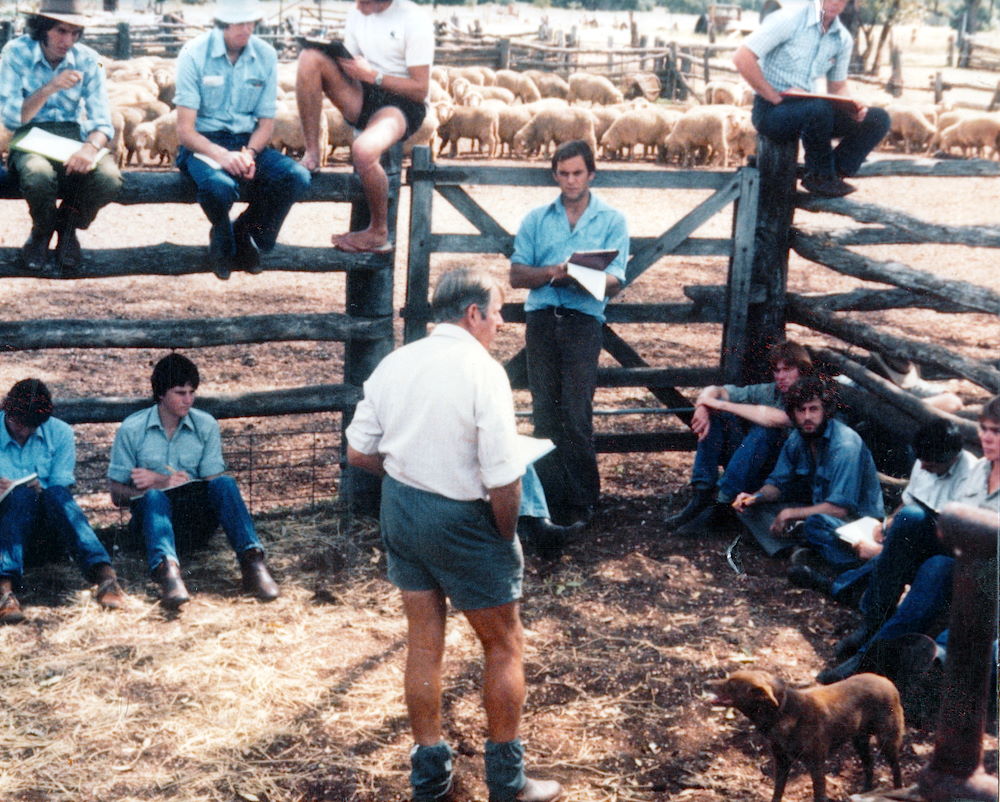
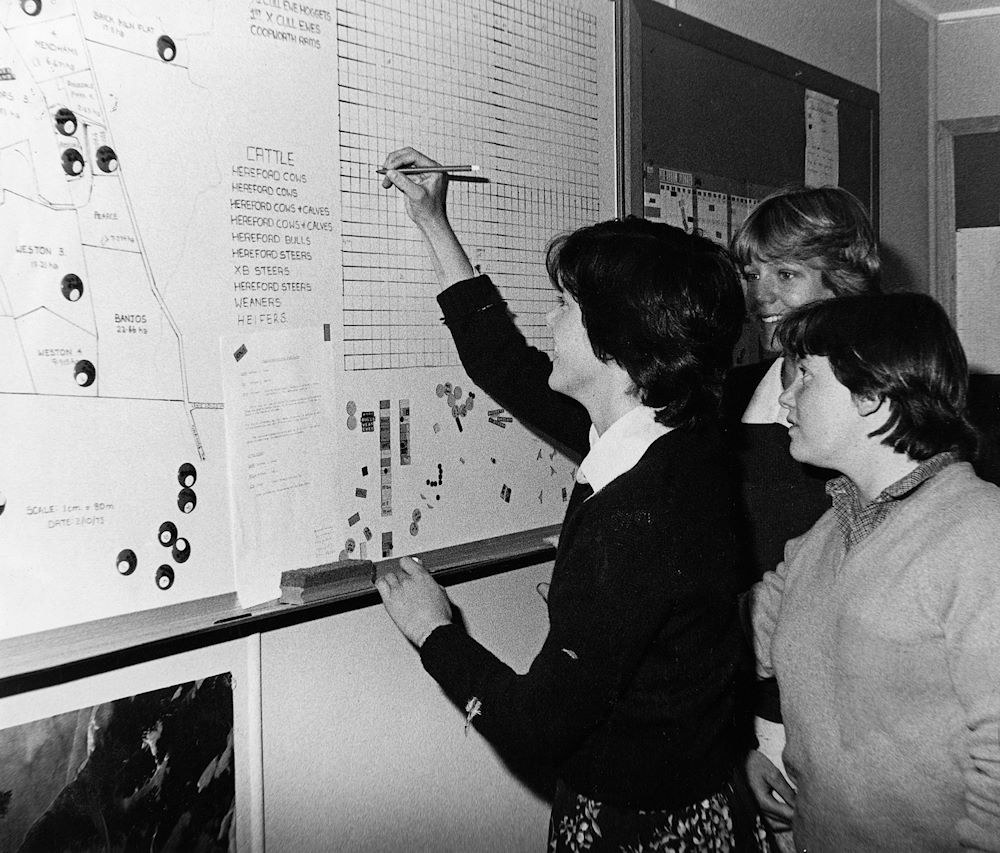
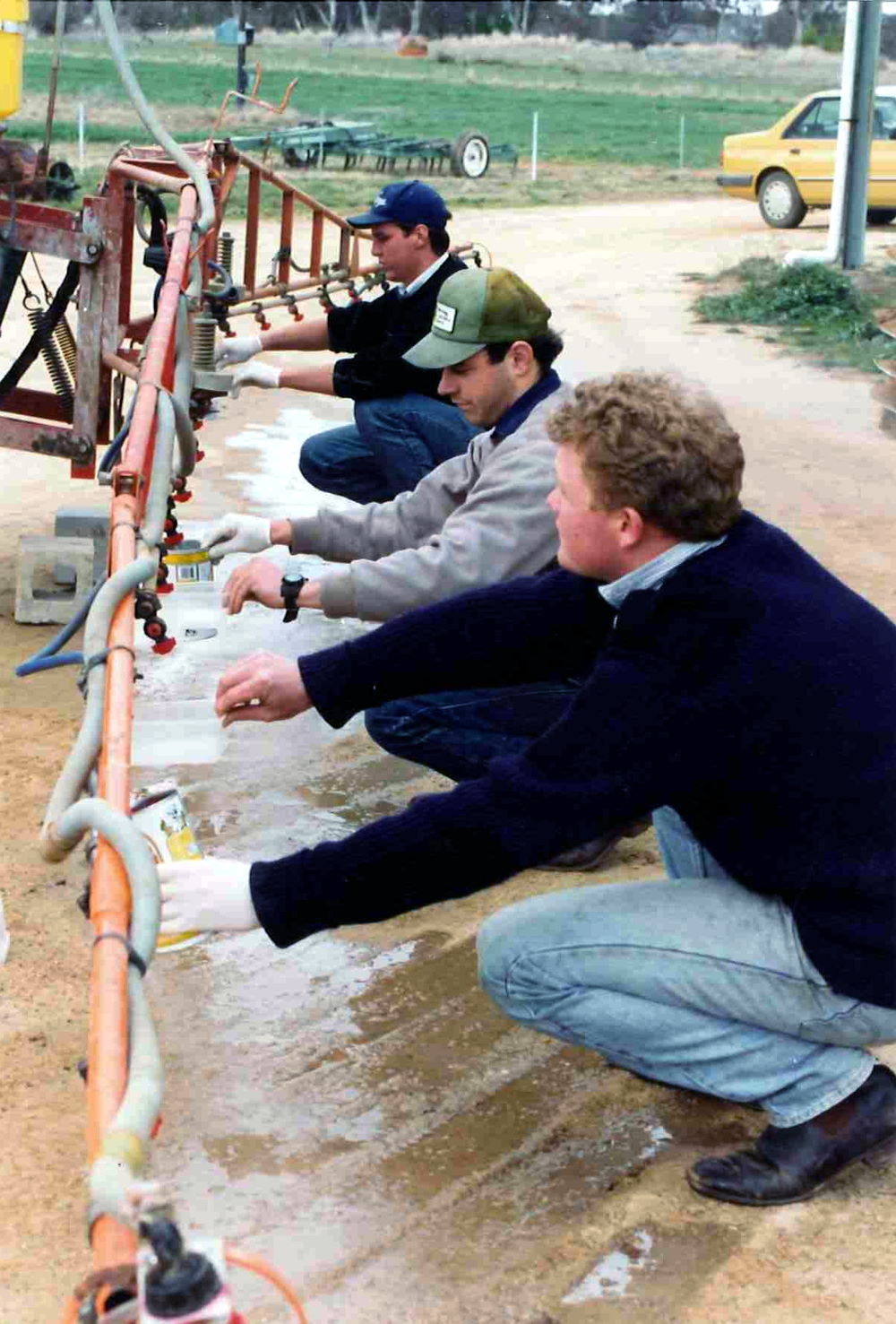
Associate Diploma of Farm Management was introduced in 1973. The structure of this course included a strong practical application element with up to 25% of time allocated to field trips and long tours visiting farm businesses and industries servicing businesses. Farm business owners donated their time to detailed explanations of their businesses. This included planning at the strategic level and decisions directed to dealing with operational problems. Discussion involving in-depth analysis followed back on campus. Formal subjects focused on livestock and agronomic technology, financial analysis, marketing, legal studies and international agricultural events. The final assessment item was an integrated business plan of an existing farm business.
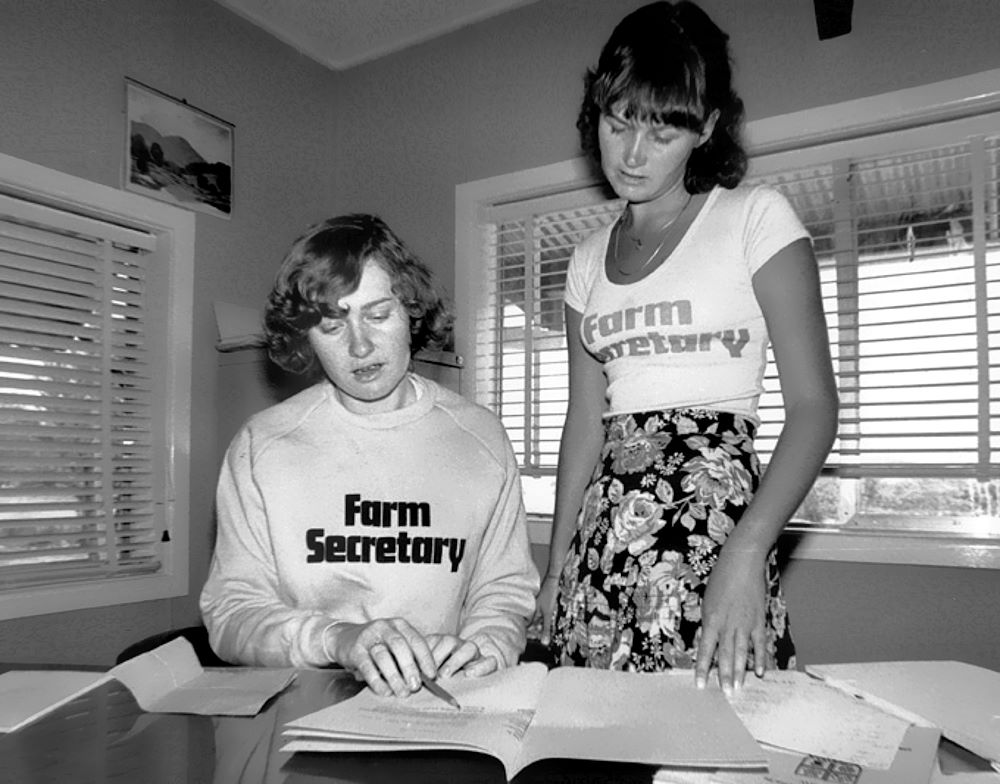
Associate Diploma in Farm Secretarial Studies was introduced in 1977. Graduates of this course found employment providing financial and secretarial services to farm and agricultural service businesses. The course format was similar to the farm management course with a stronger emphasis on financial recording and planning. The course was upgraded to the Bachelor of Rural Business Administration in 1990.
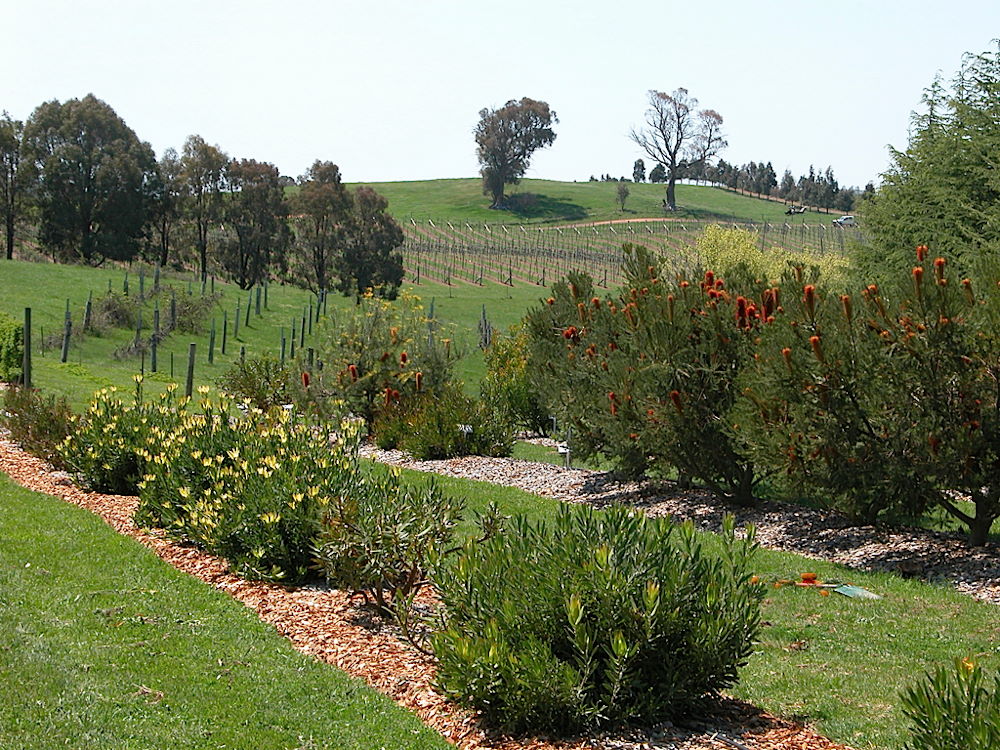
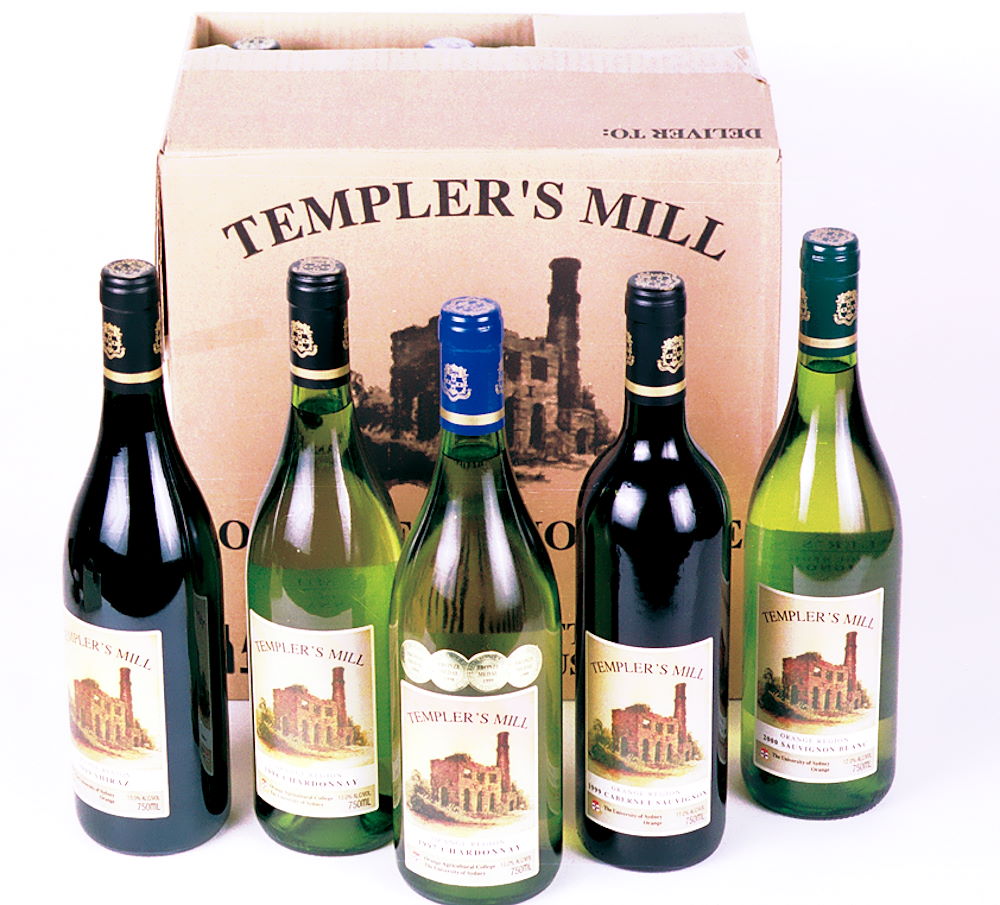
Associate Diploma in Horticulture started in 1980 with a format similar to the farm management course. Horticultural enterprises and businesses were the technological base. The course was popular with existing business managers and was offered as a distance education format with regular residential schools within the program. A viticultural management stream was introduced in 1997 and linked to the development of a major vineyard on campus and the Templers Mill wine label.
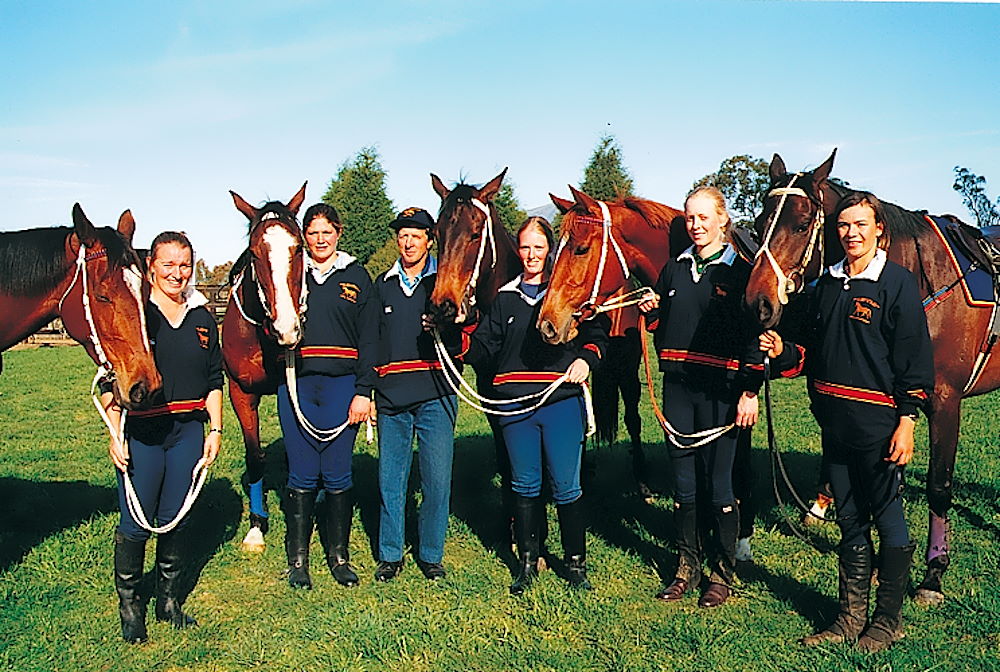
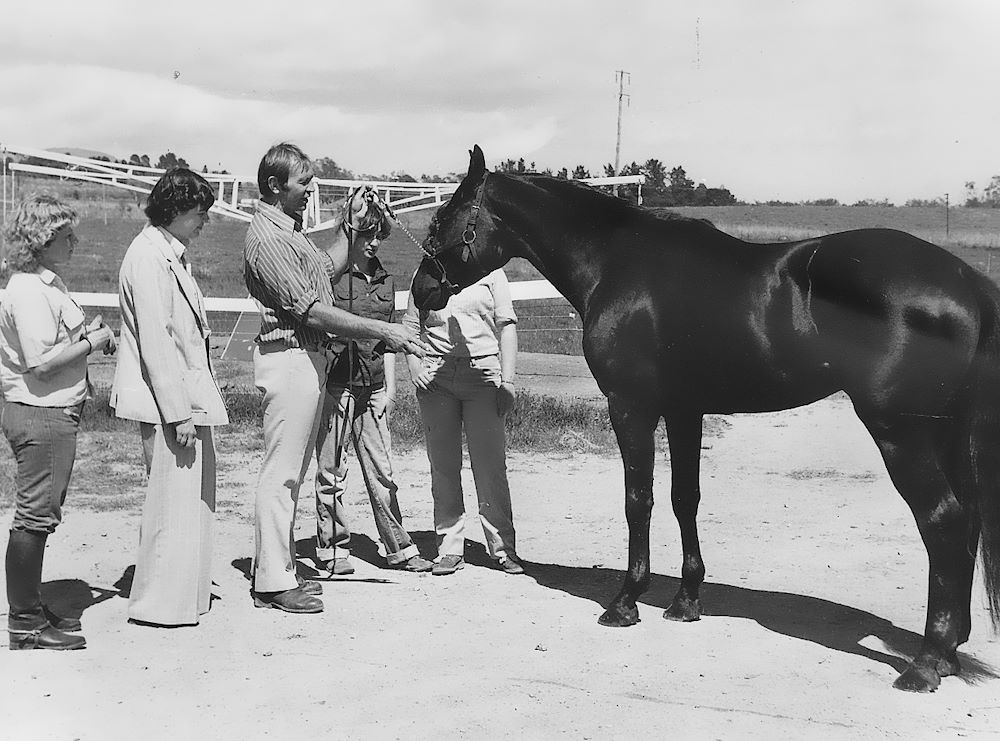
Associate Diploma in Horse Management started in 1978 as a joint course with Hawkesbury Agricultural College. The two institutions decided to present the course separately in 1984. The course structure differed from the established format because the horse industry training needs are unique. Practical skills are an important component of management. Horse contact, care and equitation are required skills for equine management. This course combined horse care and equitation skills with recognised business skills that exist in the other courses. The course was developed with valuable industry advice and was positively recognised, particularly by the thoroughbred industry. The Bachelor of Equine Business Management grew from this course.
Diploma in Land Management was introduced in 1990. The course was upgraded to Bachelor status with an Ecological Agriculture stream in 2000. The course embraced a blend of holistic science and reductionist science. Reductionist science always existed in agricultural education in Australia but introducing holistic science through such units as human ecology, permaculture, organics and biodynamics created a new face for education at the then Faculty of Rural Management (USyd) and later CSU.
Associate diplomas were upgraded to Advanced diplomas when three-year degrees were introduced in 1990-1992. Masters degrees in Sustainable Agriculture, Rural Studies and Rural Business Management were introduced in 1995.
The Bachelor of Business and Agricultural Commerce commenced in 1989. This agribusiness course was designed to provide graduates to service industries, financial institutions and corporate agriculture. Postgraduate diplomas and certificates were adjuncts to this degree program.
In 1980 OAC created what proved to be the forefront offering of higher education courses by distance education (DE) to students in rural and remote areas by pioneering many innovative educational techniques. Orange was lauded by industry as being at the leading edge of encompassing technological advances and applying them creatively and effectively for our particular student cohorts. Students enrolled in the DE programs reached 1200 as a consequence of the recognition of the excellence of these courses by the range of agricultural industries serviced.
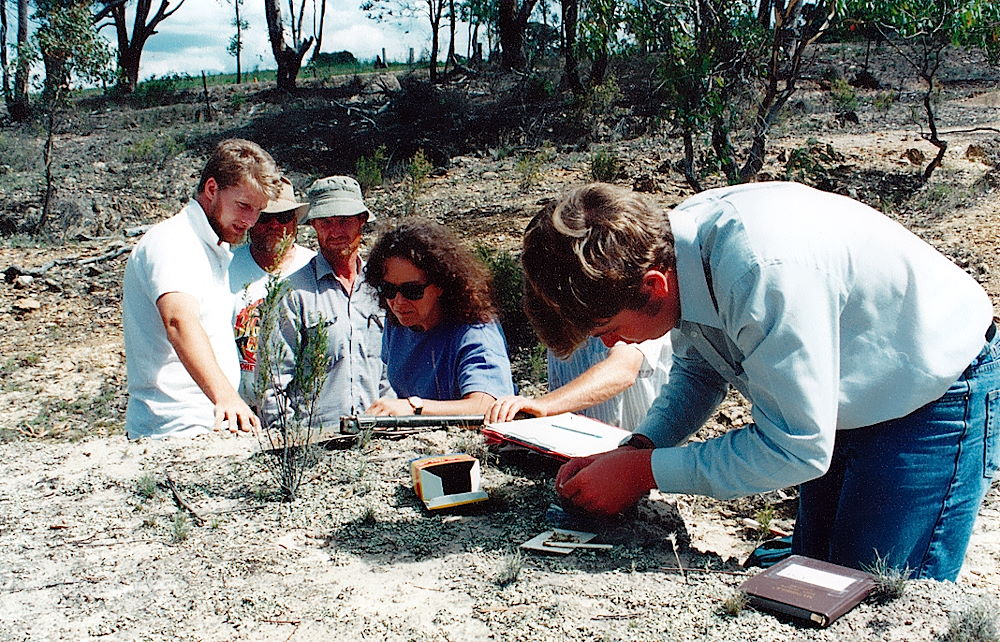
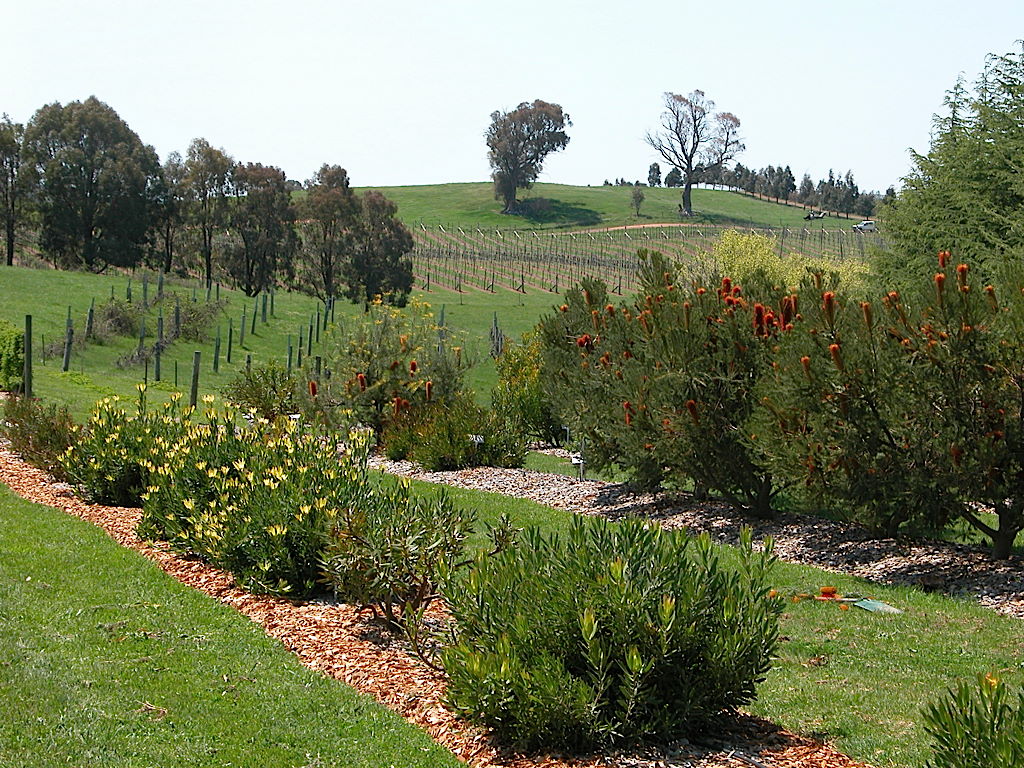 Course development and their presentation occurred with the assistance of industry and advisory groups. This resulted in a strong emphasis on applied learning where students put into practice, the lecture room knowledge and principles in the field. The College farm and viticulture enterprise were learning resources used in this approach. Industry contributions were valued as innovative businesses were visited by student groups to observe how successful managers applied the theory in practice.
Agricultural business managers volunteered their businesses to be used as practical case studies for analysis by students. Many Orange graduates became co-operators. Industry contact was enhanced by presenting short courses in a range of subjects to practicing mature age farming families.
An important element in the success and industry recognition of OAC was a culture that linked learning to career requirements. Specifically, how to operate a successful agribusiness or serve in a wide range of industries and government agencies. The cultural values imprinted became a recognised brand in the workplace that was consistent across all courses. Academic staff had industry experience. Some continued to be involved in farm businesses further enhancing the practical learning environment.
Graduate career paths were varied – from self-employed small business, corporate business, and agricultural and environmental government agencies. A significant proportion of graduates gravitated to a range of non-agricultural commercial and government employment where their holistic management knowledge and skills equally apply.
Associate diplomas, Advanced Diplomas and Bachelor courses have been combined into common disciplines. Some courses changed name as updates occurred.
| Course | Graduates |
|---|---|
| Diploma/degree in farm business management | 1322 |
| Diploma/degree in horticulture/viticultural management | 288 |
| Diploma/degree in equine management | 294 |
| Diploma /degree in farm secretarial studies, rural business administration | 616 |
| Diploma /degree in land management/ ecological agriculture | 589 |
| Bachelor /diploma in business and Agricultural commerce | 381 |
| Masters in land management/sustainable agriculture /rural management | 91 |
| Doctor of Philosophy | 9 |
| Total | 3590 |
The Orange campus became part of the CSU cluster of campuses in 2005. Courses there continued to be offered under the CSU banner as the School of Rural Management. Rationalisation during the 2006- 2015 resulted in the continued offering of courses to enable the completion of existing students. Enrolments continued in some courses at the undergraduate and masters level. The link between the CSU Wagga based School of Agriculture and Wine Science, the CSU Bathurst School of Business and the CSU Orange School of Rural Studies was harmonious with staff servicing the three schools.
In 2015 the CSU Orange based School of Rural Management amalgamated with the CSU Wagga based School of Agriculture and Wine Science. At this point the Rural Management undergraduate courses were terminated or merged into existing Agriculture and Wine Science courses offered from the CSU Wagga campus. Students enrolled in degree and master’s courses were serviced to complete their studies.
Masters programs are currently offered from within the School of Agriculture and Wine Science, Wagga Campus and School of Business, Bathurst campus